

喜报:地理系师范生在剑桥Camtree上发表研究报告
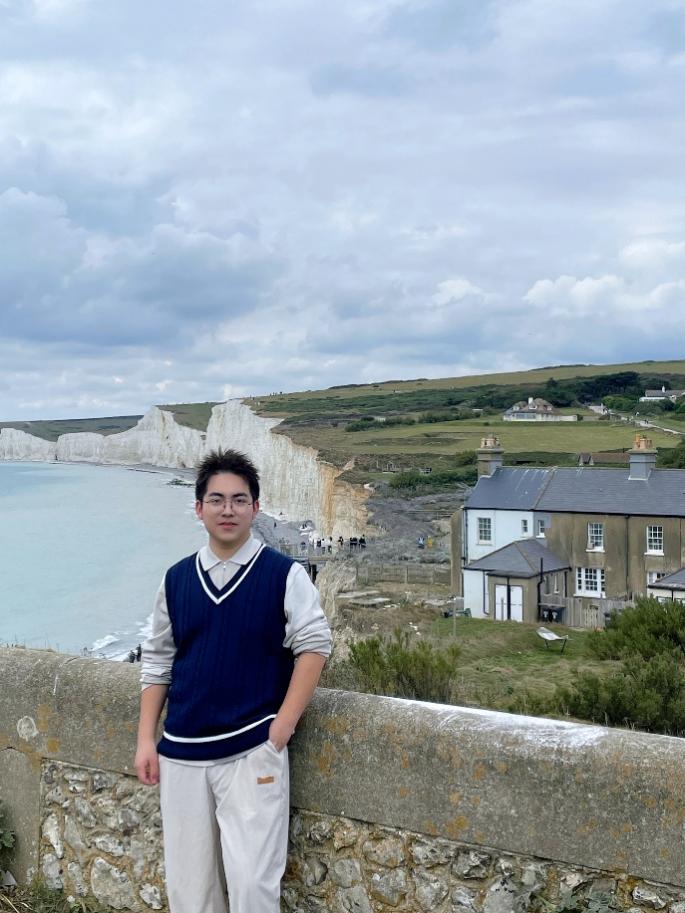
2025年秋,北京师范大学珠海校区择优遴选一批本科师范生远赴英国剑桥,参加由剑桥大学Cambridge Teacher Research Exchange (Camtree)为北师大海外实习学生准备的培训课程,并在当地中小学实习基地担任助教。来自2022级地理科学公费师范专业的赖麒安同学也参与了此次实习。
在海外实习过程中,陌生的环境、巨大的语言差异往往会激起对文化差异的反省。赖麒安同学敏锐地把握了这种差异。除该项目的主要培训方向(对话教育)外,他亦反省自身对于课堂观察中的空间感、地方感的生成与营造。在海外指导教师的帮助下,赖麒安同学得以将意义生成与对话教育归纳在一个框架当中,基于国际“教育地理学”中的课堂空间研究撰成《Knowledge, Practice and Classroom Space:Insights from a Geography Teaching Practicumat a Cambridgeshire Secondary School》一文。
“Ryan's report record has already been viewed 67 times, and the full PDF downloaded 25 times (viewers from China, the UK, the US, and a range of other countries) - and has been indexed by Google Scholar, CORE and other sources. So, this work can have real and immediate reach!”——来自剑桥的报告。
赖麒安同学的研究不仅展示了中国师范生在海外实践中的学术潜力,也为跨文化课堂研究提供了新视角。
以下为研究报告的原文摘要:
Context: The study was conducted within the framework of educational geography in a secondary
school near Cambridge, focusing on Year 8 geography curriculum on coastal erosion and landforms. It examined the dynamics of student engagement through hands-on learning activities and the spatial context of the classroom environment, particularly the role of dialogue in bridging the gap between theoretical knowledge and practical application.
Aims: The research aimed to investigate the disconnection between model-making activities and
students' understanding of geographical concepts, as well as explore how the classroom space influences student engagement and learning. It sought to answer essential questions on the nature of this disconnection and how strategies like those in the Think–Talk Toolbox (TTT) can facilitate deeper engagement.
Methods: A qualitative research design was employed, primarily involving classroom observations and analysis of interactions during model-making activities, across two Year 8 classes (students aged 12-13 years) over one month. The researcher acted as a teaching assistant, observing students' behaviours across multiple lessons, engaging in informal dialogue, and documenting the learning environment and its effects on student engagement. TTT techniques for fostering reflectivedialogue were integrated throughout the inquiry.
Findings: The study identified two primary disconnections: between students' practical model-making and their geographical knowledge, and between students and the classroom space itself. Students often engaged in model-making mechanically without understanding the underlying geographical principles. Additionally, classroom resources went largely unnoticed, leading to a lack of meaningful engagement with the learning space.
Implications: The findings suggest that incorporating dialogic strategies into classroom practices could enhance students' ability to connect hands-on activities with theoretical knowledge, fostering a more integrated understanding of geography. Further exploration is needed to identify additional methods that can engage students with their classroom environment, as the current approach was insufficient to activate their critical thinking and awareness of spatial context.
文案:赖麒安 易焕焕
编辑:李可
审核:赵洋
文章内容来源南国地理公众号